

Have you ever wondered why, despite your best efforts, you can’t seem to shake off that feeling of being constantly on edge? Or why your thyroid health seems to take a nosedive when stress levels hit the roof? You’re not alone. Stress and thyroid health are more intertwined than you might think, and understanding this connection could be the key to unlocking a healthier, more balanced you.

In this article, we’ll explore:
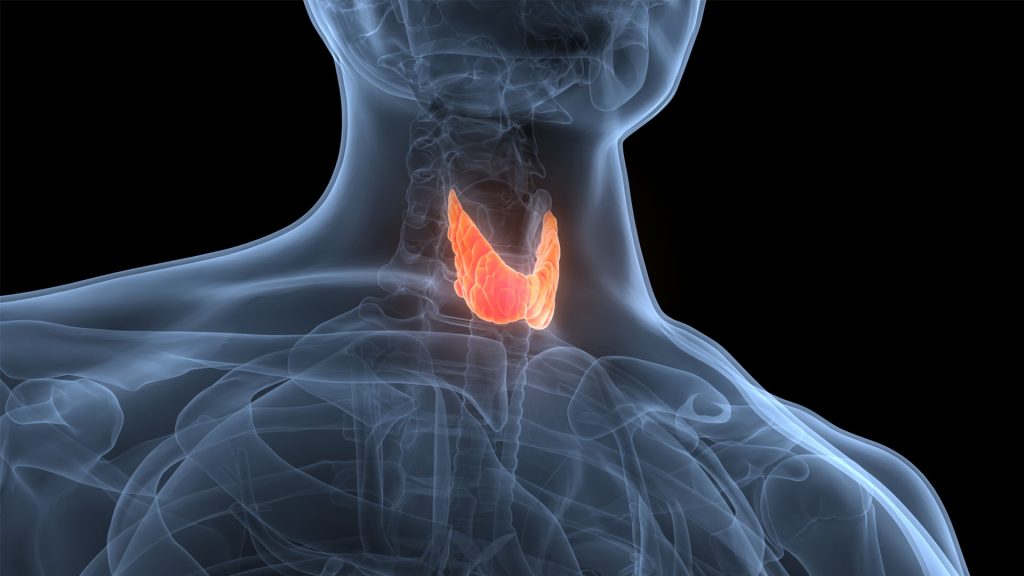
Stress: It’s not just a buzzkill for your mood; it’s a full-on saboteur for your thyroid, that powerhouse gland calling the shots on your metabolism, energy, and how you feel daily.
In a Nutshell: Stress doesn’t just mess with your head; it messes with your thyroid. But it’s not all doom and gloom. Recognizing how stress affects your thyroid is the first step towards reclaiming your health.
By tackling stress head-on, you’re not just saving your sanity but safeguarding your thyroid and, by extension, your overall health.
Stress might be unavoidable, but letting it take the driver’s seat and affect your thyroid health isn’t mandatory. You have the power to influence how this relationship plays out. Here are some actionable steps to manage stress and support your thyroid:
Recognizing when it’s time to seek professional help is crucial. If you’ve tried managing stress and your thyroid symptoms persist, it might be time to consult with a healthcare provider. They can offer personalized advice, run necessary tests, and provide treatment options tailored to your needs.
By integrating these strategies into your life, you’re not just battling stress; you’re taking a stand for your thyroid health. Remember, it’s about progress, not perfection. Small steps can lead to significant changes, empowering you to lead a balanced and healthier life.
It’s crucial to understand that while self-help strategies can significantly impact stress and thyroid health, they aren’t always enough alone. Knowing when to reach out for professional help can make all the difference in your health journey.
Here’s how to tell it’s time to dial up a healthcare professional:
If you’ve been diligently managing stress and following healthy lifestyle habits, but your symptoms persist or worsen, it’s a signal that you might need medical intervention. Symptoms that shouldn’t be ignored include:
Stress management is a skill; sometimes, we need a coach for any skill. If you find that stress is becoming too much to handle alone — if it’s affecting your sleep, relationships, or daily activities — it’s time to seek support. Mental health professionals can provide coping strategies tailored to your situation.
Reaching out for help is not a sign of weakness; it’s a step towards empowerment. Professional guidance can provide the tools and treatments necessary to effectively manage your stress and thyroid health.
Remember, your journey to better health is unique, and asking for directions along the way is okay. By recognizing when to seek professional help, you’re taking control of your health and moving closer to a balanced, healthier life.
We’ve journeyed through the intricate connection between stress and thyroid health, uncovering the impacts and strategies to manage both. Remember, small steps can lead to significant changes.
Here’s a quick recap of what we’ve covered:
Heart health and thyroid function are more connected than you might think, with stress playing a pivotal role in both. At Modern Primary Healthcare, we understand these connections. Our team is dedicated to treating conditions and preventing them by addressing all factors contributing to your well-being.